
You can clean a home safely around pets by avoiding a short list of hazardous products, switching to simple non-toxic alternatives, and following a basic safety routine around timing and storage. Most everyday mess, from muddy paws to litter tray spills, responds well to pet-safe methods. Keep pets away from treated surfaces until they are fully dry, and call Animal PoisonLine straight away if you suspect exposure to anything stronger.
TL;DR:
- Using pet-safe cleaning ingredients like vinegar, baking soda, and castile soap minimizes exposure to hazardous chemicals without sacrificing cleaning effectiveness.
- Always allow surfaces to dry completely and ventilate the room after cleaning to prevent pets from ingesting or coming into contact with residual products.
- Scheduling deep cleans when pets are elsewhere or under supervision reduces the risk of accidental exposure to strong disinfectants or diluted chemical residues.
- Checking ingredient labels for harmful chemicals like benzalkonium chloride and avoiding products containing bleach, essential oils, or fragrances protects pets from tissue irritation and toxic effects.
- In case of exposure, prompt veterinary advice and quick removal from the area are essential; do not attempt to induce vomiting or use home remedies.
Table of Contents
- Which household cleaners are hazardous for pets and why
- Pet-safe ingredients and reliable DIY cleaners
- How to clean safely around pets without creating new risks
- Disinfecting when pets are present: when it's necessary and safer options
- Laundry, carpets and upholstery: safer stain removal with pets at home
- Emergency steps if a pet is exposed to a cleaner
- Why a pet-aware professional clean can help
- Balancing hygiene and pet safety in real homes
- Book a pet-aware clean without the guesswork
- FAQ
- Sources
Which household cleaners are hazardous for pets and why
Several common cleaning products sit in most homes but pose real risks to cats and dogs. Cats Protection names bleach, laundry detergents, toilet cleaners, carpet cleaners, oven cleaners and drain unblockers as hazardous, warning that contact can burn paws, mouths and stomachs. These products cause harm in different ways: some are caustic and damage tissue on contact, others release fumes that irritate the lungs, and concentrated detergents can foam if inhaled, which Animal PoisonLine links to breathing difficulties, vomiting and raised body temperature.
Cats face a particular risk because they groom themselves constantly, licking paws and fur that may carry chemical residue straight into their mouths. Dogs are more likely to lap spilled liquid or chew a leaking container.
Products to keep well away from pets include:
- Bleach and other chlorine-based disinfectants.
- Oven cleaners and drain unblockers.
- Concentrated laundry detergents, especially capsules that can foam if punctured or chewed.
- Toilet cleaners left in the bowl with the lid up.
- Carpet cleaners containing strong solvents or fragrance concentrates.
Pet-safe ingredients and reliable DIY cleaners
Several everyday ingredients clean effectively without the hazards above. Better Homes & Gardens highlights vinegar, baking soda and castile soap as reliable, low-toxicity options for most household jobs, though each has limits worth knowing before you start.
- Diluted white vinegar cuts through grease and streaks on glass and tiles; mix roughly one part vinegar to one part water, but avoid it on natural stone such as marble or limestone, since the acidity can etch the surface.
- Baking soda lifts stains and neutralises odours on carpets and fabric; sprinkle it dry, leave for 15 to 20 minutes, then vacuum thoroughly.
- Castile soap works as a gentle, plant-based cleaner for floors, worktops and pet bedding when diluted according to the bottle's instructions.
Not every "natural" product is automatically pet-safe. Cats Protection warns that cats are especially sensitive to essential oil residues picked up through grooming, so tea tree oil and concentrated citrus oils are best avoided in any cleaner you make or buy. For pets with existing respiratory issues, or after heavy soiling that needs a stronger formula, a pre-formulated pet-safe product from a reputable brand is often the more reliable choice over an improvised mix.
Pro Tip: Test any new DIY cleaner on a hidden patch of carpet or upholstery before using it more widely, since vinegar and castile soap can affect colour or finish on some fabrics.

How to clean safely around pets without creating new risks
A short routine around timing and containment removes most of the risk that comes from cleaning products, regardless of what you are using. The basic sequence stays the same whether you are wiping a worktop or mopping a hallway.
- Move pets to another room or outside before you start applying any product.
- Open windows or doors to ventilate the space while you clean and for a while afterwards.
- Let treated surfaces dry completely before letting pets back in, since residue on a damp floor is what gets licked or walked through.
- Close doors or use a baby gate to block access to a room you have just treated.
- Store all cleaning products in their original, labelled containers, on a high shelf or behind a childproof lock.
For bigger jobs such as a full deep clean, it is worth scheduling the work for a day when pets can stay with a friend, at daycare, or simply supervised in a separate part of the house until everything has aired and dried.
Disinfecting when pets are present: when it's necessary and safer options
Routine cleaning covers most household mess, but disinfection becomes necessary after illness, after an accident involving faeces or urine, or where there is a risk of a condition passing between animals or to people. Outside those situations, regular cleaning with pet-safe products is usually sufficient.
Many common disinfectants contain benzalkonium chloride, a cationic detergent that Animal PoisonLine links to oral and skin ulceration in cats, with effects that can appear later, well after the product has been used. Checking the label for this ingredient, and choosing an alternative where one is available, reduces that risk considerably for cat-owning households.
When you do need to disinfect:
- Dilute strictly according to the label and never assume stronger means more effective.
- Allow the full contact time stated on the packaging before wiping or rinsing.
- Ventilate the room throughout and after use.
- Keep pets out until the surface is completely dry and no longer poses a contact risk.
Laundry, carpets and upholstery: safer stain removal with pets at home
Pet bedding, carpets and sofas need their own approach, since fabric holds onto residue longer than a hard surface does. For laundry, a pet-safe detergent run on the hottest wash the fabric allows, followed by a thorough rinse and air-drying, removes dirt and odour without leaving chemical traces behind for a pet to roll in.
Carpets and upholstery respond well to a staged approach rather than reaching straight for a strong product:
- Blot fresh spills immediately rather than rubbing them in.
- Apply baking soda to lift odour and lighter stains, then vacuum once dry.
- Reserve steam cleaning or a professional deep clean for heavy staining, ground-in dirt or pet accidents that have soaked into the backing.
Persistent odour, large or repeated stains, or any contamination that looks like it carries a health risk are good reasons to bring in professional help rather than keep layering DIY treatments on top of each other.
Emergency steps if a pet is exposed to a cleaner
Act quickly if a pet comes into contact with or swallows a cleaning product, since some effects develop within minutes while others can take hours to appear.
- Move the pet away from the product immediately and prevent them from licking paws, fur or skin.
- Collect the container or label so you can read out the ingredients when you call for advice.
- Contact Animal PoisonLine or your vet straight away, even if your pet seems unaffected, and follow their guidance on whether to rinse fur or skin with water.
- Do not try to induce vomiting or give salt water, as Animal PoisonLine specifically warns against these home remedies.
Seek urgent veterinary care if you notice persistent drooling or foaming, repeated vomiting, breathing difficulties or collapse.
Why a pet-aware professional clean can help
Some jobs are easier to hand over, and that is where trained cleaners add real value: they control which products go into your home, know how long surfaces need to dry, and keep treated rooms contained while pets stay elsewhere. That reduces the guesswork that comes with mixing your own solutions or judging contact times on an unfamiliar disinfectant.
Every clean booked through us comes with vetted cleaners who arrive in uniform, fixed pricing agreed before the job starts, and a 72-hour re-clean guarantee if anything falls short. Same-day slots are available when a pet-related mess cannot wait.
Before a booked visit, it helps to:
- Keep pets in one room or arrange for them to be elsewhere during the clean.
- Point out any areas a pet uses heavily, such as a litter tray corner or favourite sofa spot.
Pro Tip: Leave a note about any pets in the home when you book, so the cleaning team can plan which rooms to treat first.
Balancing hygiene and pet safety in real homes
Perfect is not the standard worth chasing here. A sensible routine mixes quick, pet-safe wipes for daily mess with a proper deep clean scheduled less often, and accepting that trade-off saves most owners a lot of unnecessary worry. A simple weekly pattern works for many households: a fast vinegar-and-cloth pass over floors and surfaces, paired with a more thorough clean of bedding, litter areas or carpets every few weeks. Consistency beats intensity, and knowing when to call in help matters as much as knowing which spray bottle to avoid.
— Book
Book a pet-aware clean without the guesswork
Working out which products are safe, how long to ventilate a room, and when a job is too big for a weekend afternoon takes time most pet owners would rather spend elsewhere. Booking a clean through us means that thinking is already done: our cleaners arrive knowing how to work around pets, use controlled products, and leave rooms properly aired and dry before anyone, two-legged or four-legged, goes back in.
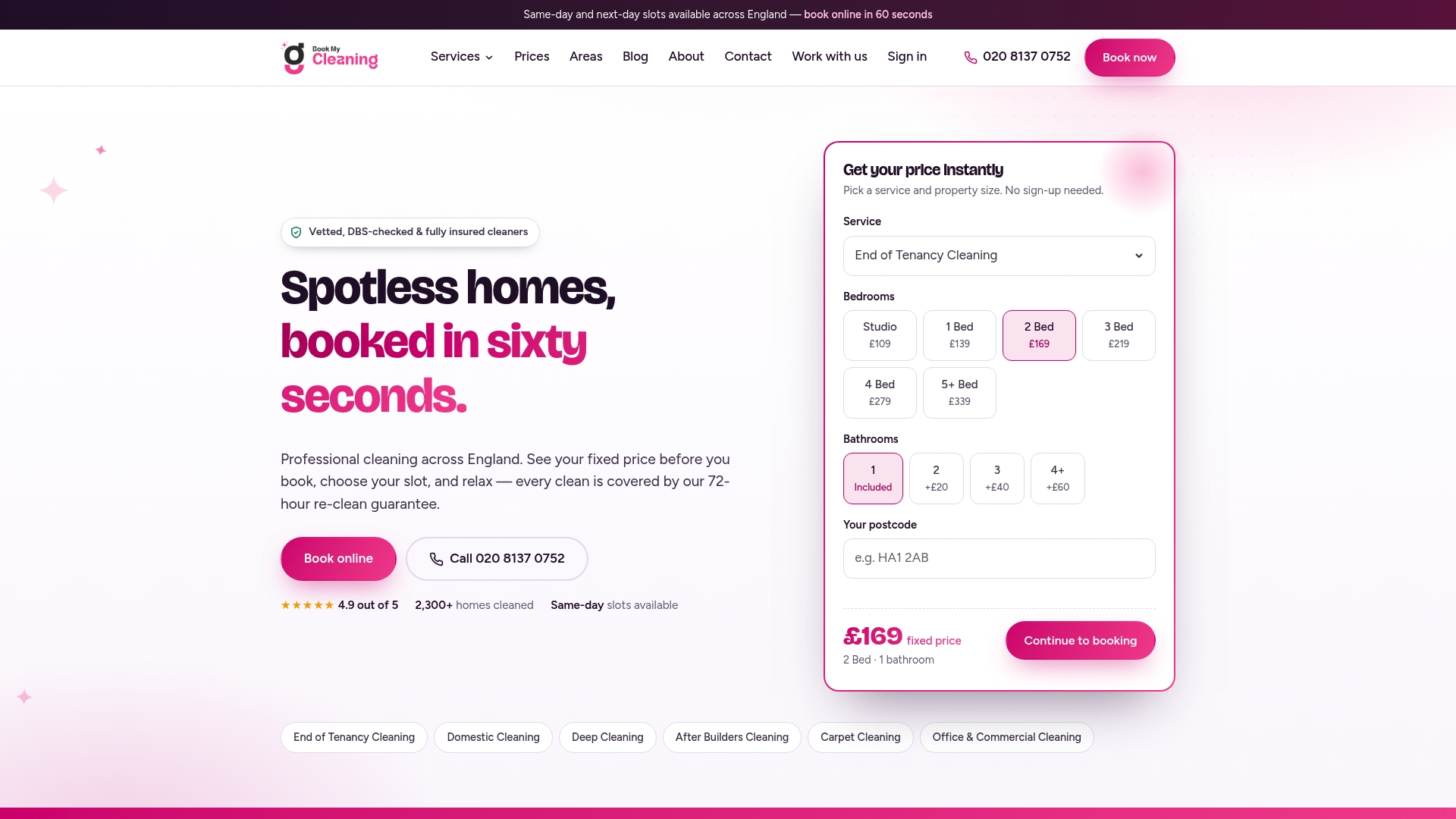
Fixed prices are shown upfront on our pricing page before you book, so there are no surprises once the job is done. If litter tray odour is the main battle in your home, pairing a professional clean with dedicated odour-control products from Litter Room can cut down how often you need to reach for a spray at all. When you are ready, book your next clean through Book My Cleaning and let a vetted, uniformed team handle the parts that take the most care.
FAQ
Is Ajax safe to use around dogs?
Ajax and similar household cleaners are not formulated with pets in mind, and several contain ingredients such as strong detergents or disinfecting agents that Cats Protection and Animal PoisonLine flag as risky for pets. The safer approach is to keep dogs out of the room while cleaning, ventilate well, and let surfaces dry fully before they return.
Is Zoflora safe to use around cats?
Many disinfectant brands, including some popular UK products, contain benzalkonium chloride, which Animal PoisonLine links to oral and skin ulceration in cats. Check the ingredient label before buying, keep cats away from treated surfaces until completely dry, and contact a vet if you notice drooling or irritation after exposure.
Can I use Mr Clean or similar multi-surface cleaners with pets at home?
Multi-surface cleaners vary widely in formulation, and some contain the same hazardous ingredients, such as bleach or strong detergents, that Cats Protection warns against. Read the label for these ingredients, ventilate the room during use, and keep pets away until the surface is dry rather than assuming any all-purpose cleaner is automatically pet-friendly.
What is the best disinfectant to use around pets?
There is no single disinfectant guaranteed safe for every pet, but choosing one without benzalkonium chloride reduces the specific ulceration risk that Animal PoisonLine describes in cats. Always dilute as instructed, allow the full contact time, and keep pets off the surface until it is completely dry.
What should I do if my pet licks a cleaning product?
Remove your pet from the area immediately, stop them grooming further, and keep the container so you can read the ingredients aloud. Call Animal PoisonLine or your vet straight away rather than waiting for symptoms, and never try to induce vomiting or give salt water at home.